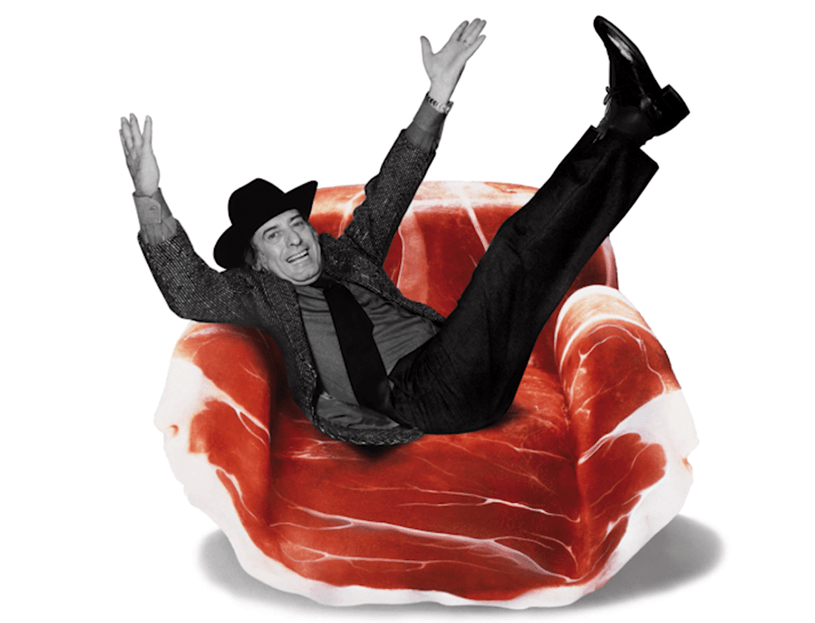
The Artistic DNA
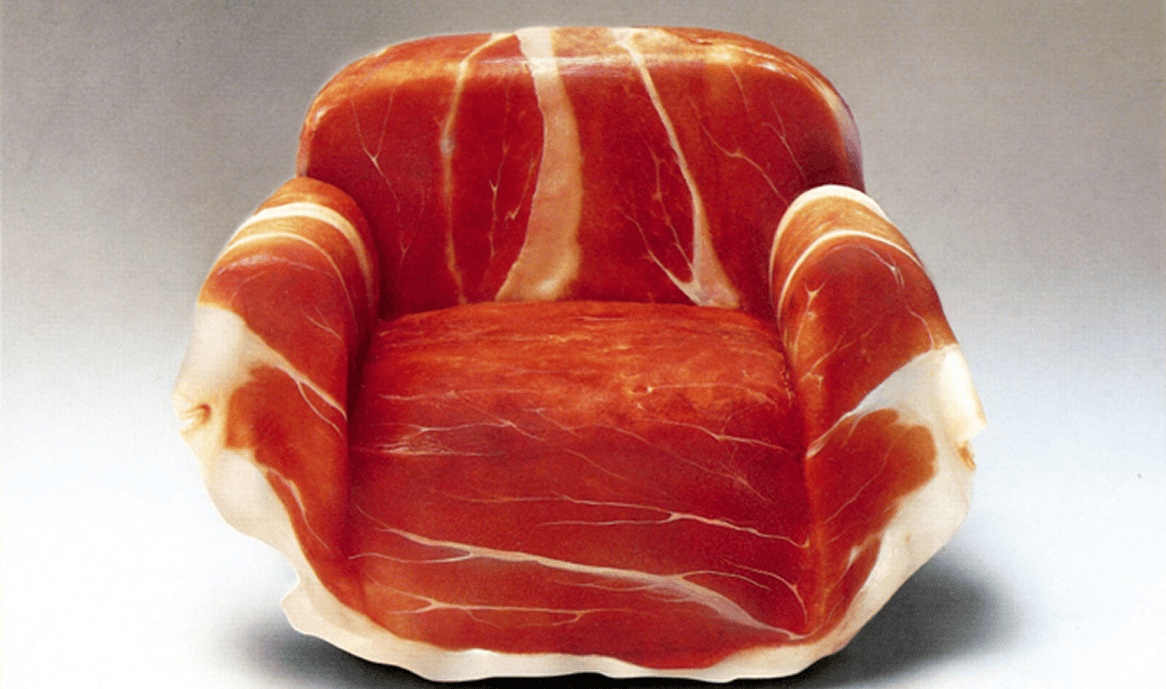
Armando Testa was a “global visualizer” of the relationships between humankind and the world, between production and consumption, and between pure creativity and creativity with a purpose.
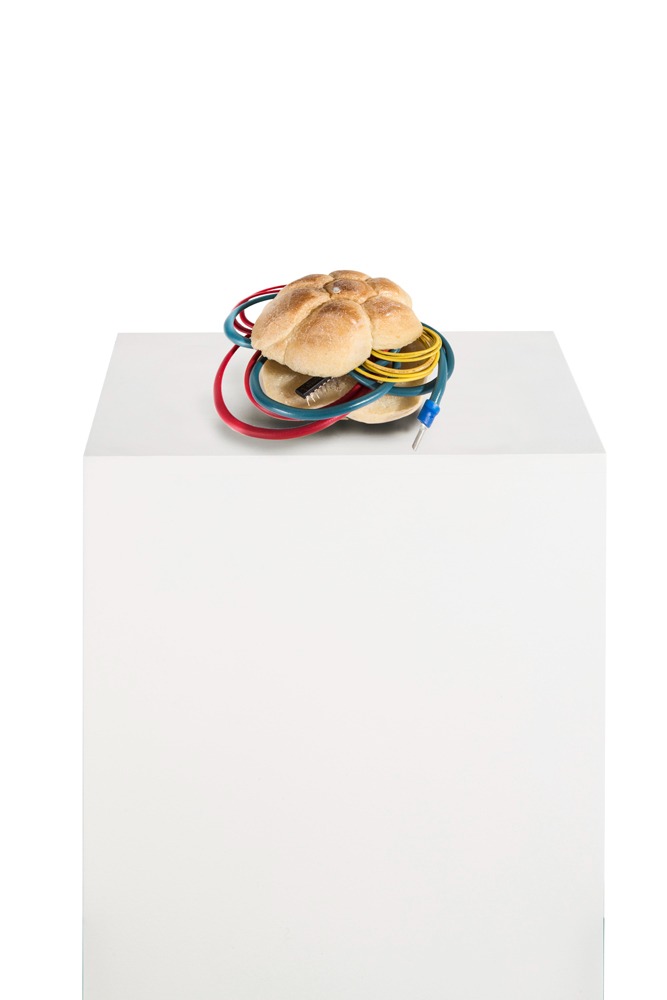
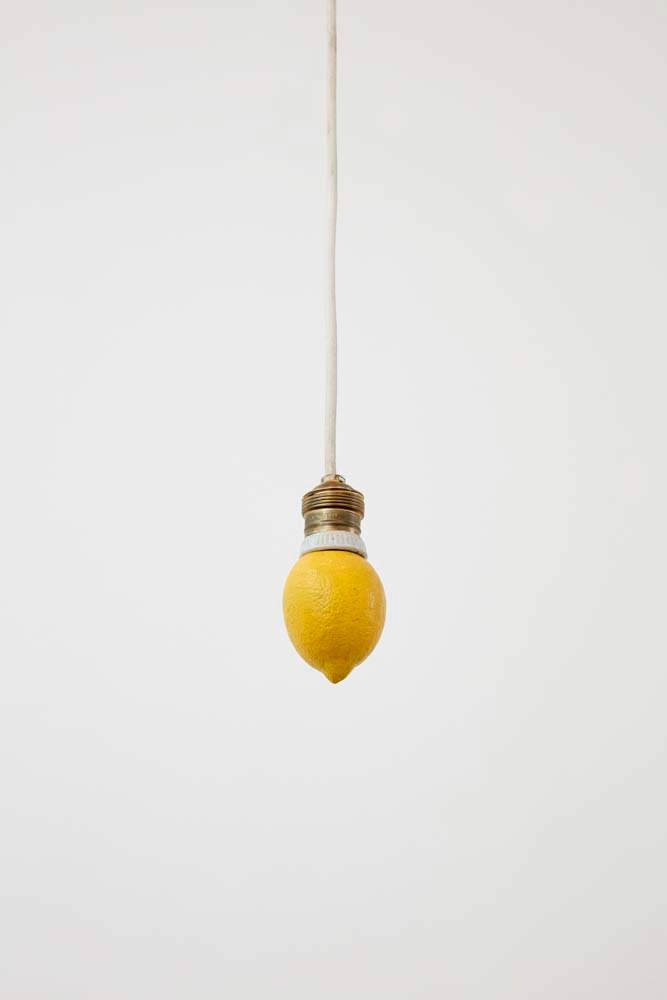
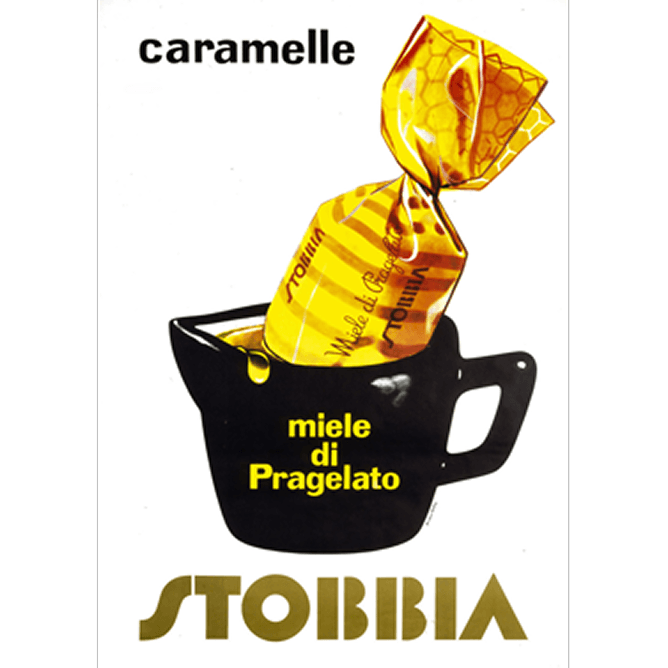
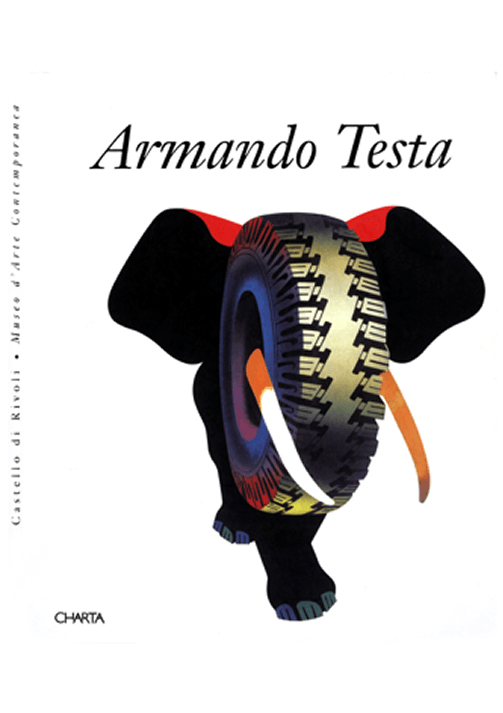
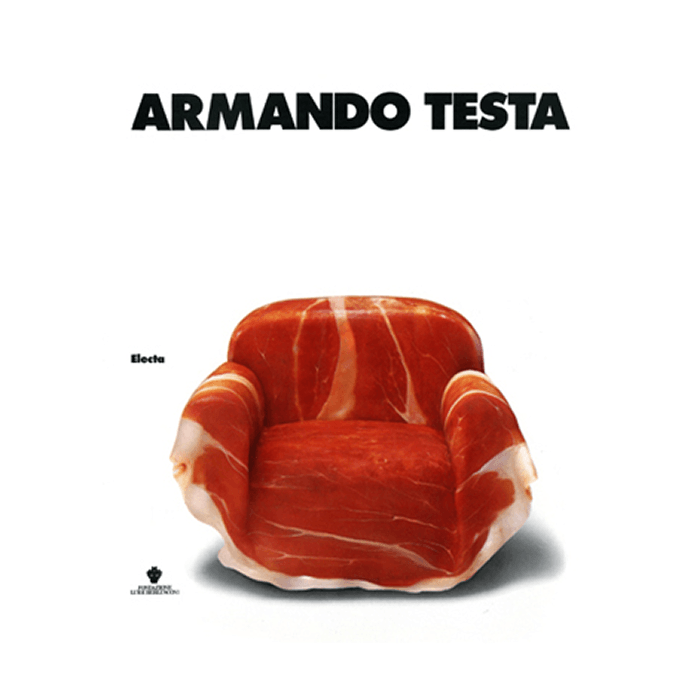
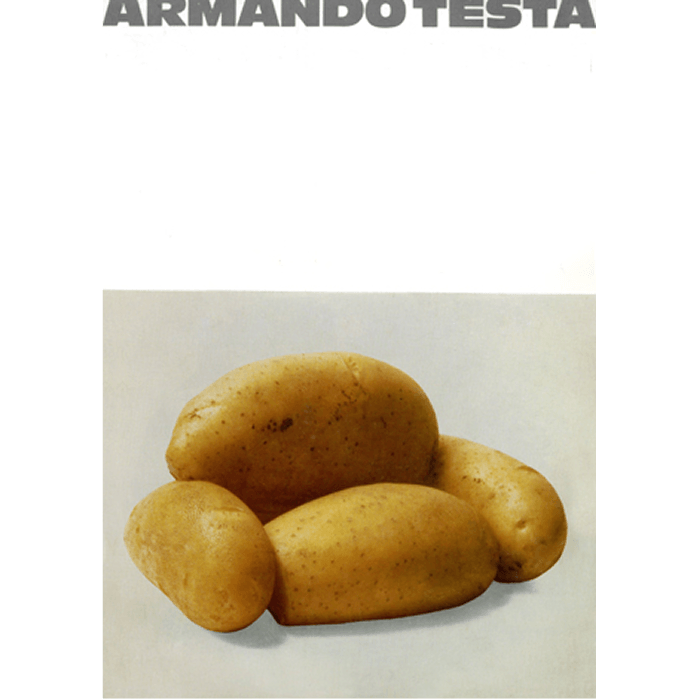
He can be described as a modernist who brought the radical language of minimalism to a wider audience. His visual vocabulary is built on synthesis, simplification and surreal juxtaposition, giving every idea a sense of pure visual power.
Yet his surrealism is rooted in everyday life: positive, playful and genuine, at times almost childlike. It gives rise to visual paradoxes charged with expressive force, surprise and wonder.
Armando Testa, global visualizer.”
Gillo Dorfles
Painting towards abstraction.
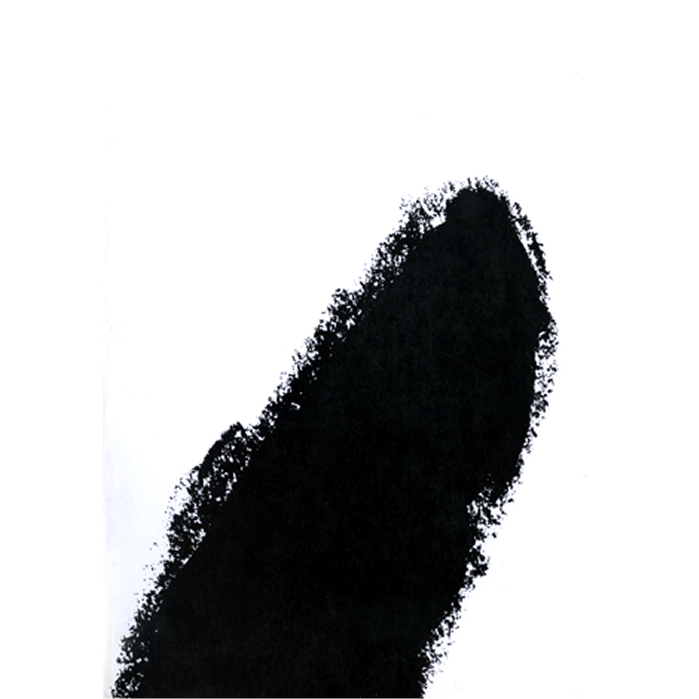
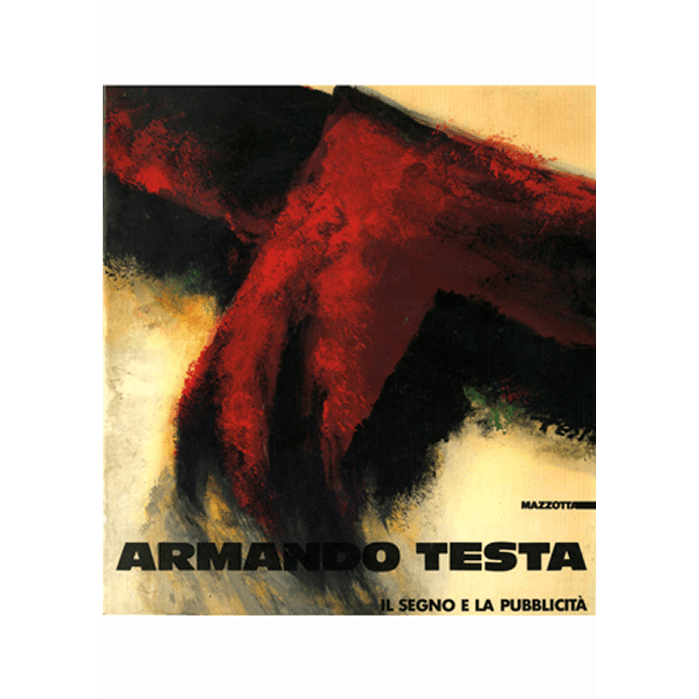
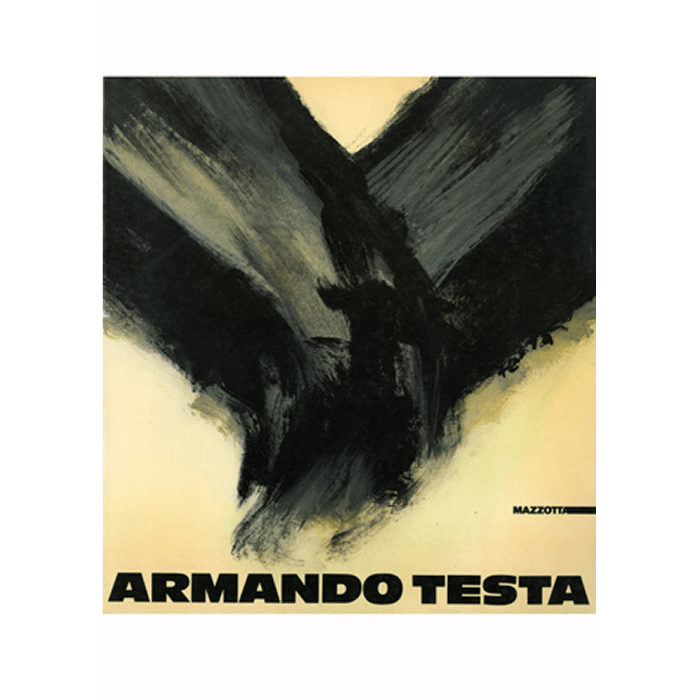
Armando Testa’s painting moves towards abstraction in a wholly distinctive way. He distilled forms into large chromatic “signs”: essential in structure, yet rich in material presence.
His sweeping strokes of colour create surfaces and chromatic encounters, generating masses of colour and intersecting graphic elements.
The shapes on the canvas are almost elemental, laid down in broad brushstrokes that, on the one hand, evoke a primordial expressiveness and, on the other, seek volume and three-dimensionality, in a constant dialogue with graphic design.
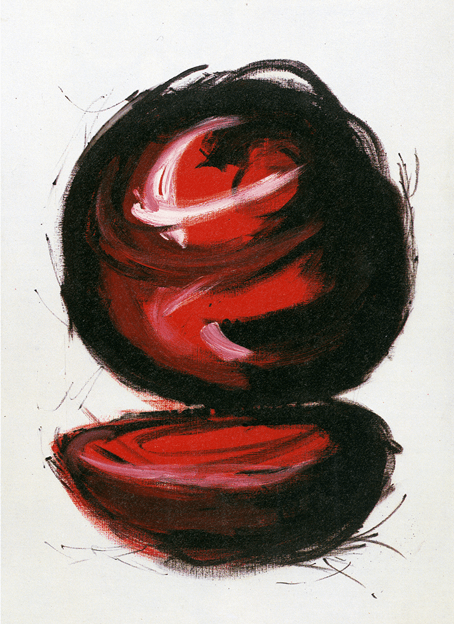
Transforming a sign into emotion.
Armando Testa was always drawn to the elemental signs of visual communication: the cross, the circle, the diagonal, and the multiplication sign. In his painting, each of these signs is reinterpreted on its own terms, in different forms and at different scales.
Painting was where he was less willing to compromise: he was never concerned with pleasing the viewer. This was the opposite of what happened in his advertising work or screenprints.

The exhibitions
Palazzo delle Papesse
The retrospective thus outlines the profile of a multifaceted and visionary artist, able to keep an extraordinary expressive power in every field of his research - from advertising to painting, photography, television, and sculpture.
A volume will be published to accompany the exhibition, bringing together, for the first time, texts by the most authoritative scholars who have written on Testa—from Gillo Dorfles to Germano Celant.
Musei Civici – Ca’ Pesaro
“Whenever a journalist asked him to tell the story of his life, Armando would reply, ‘I was born poor, but modern.’ It was not simply a witty line, but something profoundly true. ‘Being born poor is a misfortune, but the worst kind of poverty, in my view, is the kind that denies you culture,’ he would say.”
GEMMA DE ANGELIS TESTA
Curators: Gemma De Angelis Testa, Tim Marlow, Elisabetta Barisoni
Musei Reali – Palazzo Chiablese
“The exhibition All the ‘Isms’ of Armando Testa is a monument to creativity.”
GEMMA DE ANGELIS TESTA
Curators: Gemma De Angelis Testa, Gianfranco Maraniello
Mart
“His attention to the various “isms” reflects an understanding of his own time that draws broadly on forms of expression inhabiting the specific realm of art as an absolute form.”
GIANFRANCO MARANIELLO
Curators: Gemma De Angelis Testa, Gianfranco Maraniello
Pac – Padiglione d’Arte Contemporanea
“Armando Testa’s world was rich in stimuli.
As with all major figures in culture and art, it is possible to identify a conceptual thread that binds together and shapes his inventive journey. That thread is visual research, whether applied to commercial communication, painterly representation or the exploration of three-dimensional objects.”
From “At Armando’s School” – Marco Testa
Castello di Rivoli Museo d’Arte Contemporanea
“Testa’s Surrealism stages, in a sense, the comedy of everyday life. It is a Surrealism that merges with the Commedia dell’Arte. It is not driven by sinister impulses or psychological dysfunction; it is a joyful, childlike Surrealism that delights in the absurdity of the everyday. The success of many of his best-known campaigns lies precisely in that adult ability to revel in a childlike mixture of astonishment and wonder.”
From “The Modernist Who Helped Create the Postmodern” – Jeffrey Deitch
Palazzo Strozzi
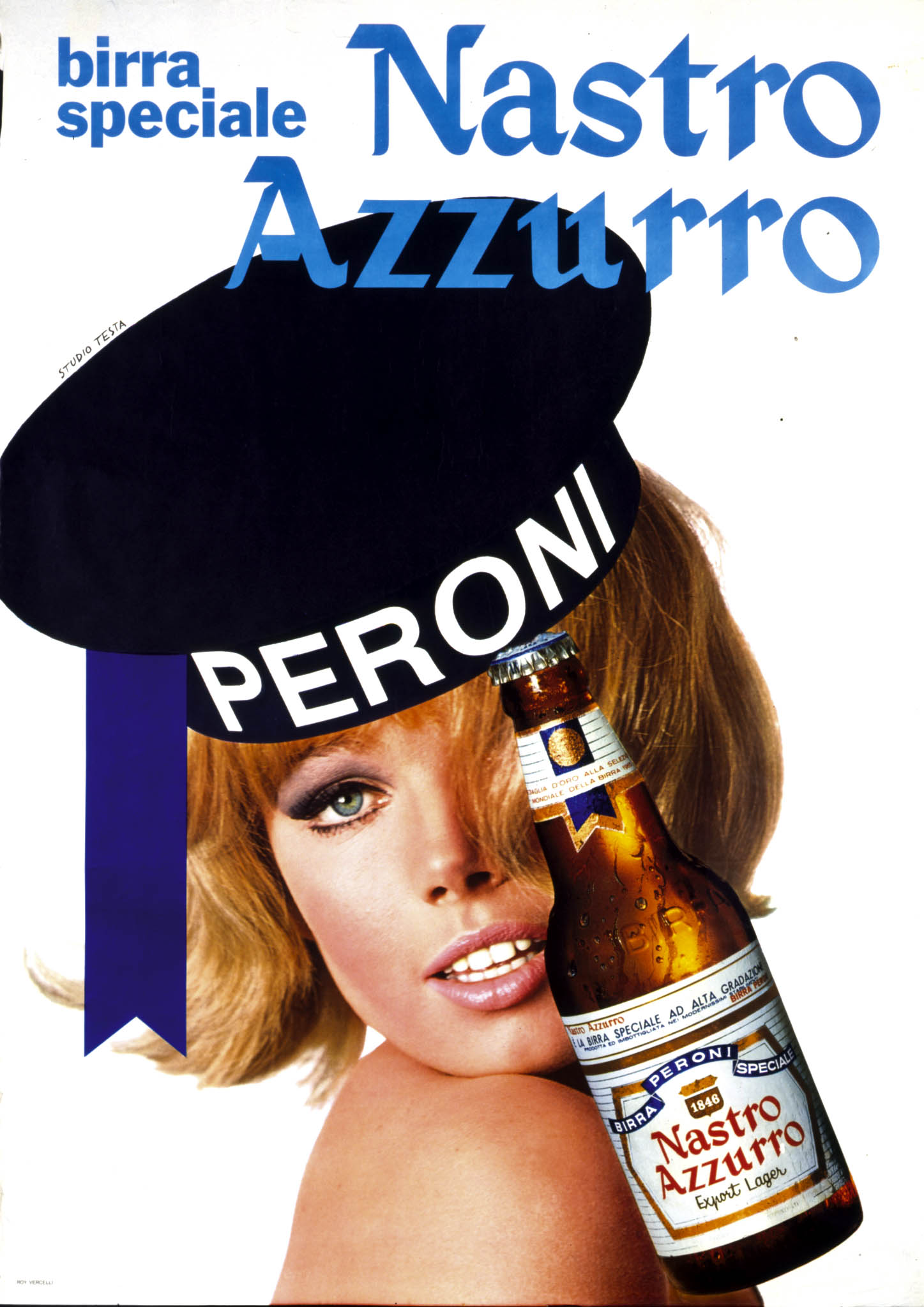
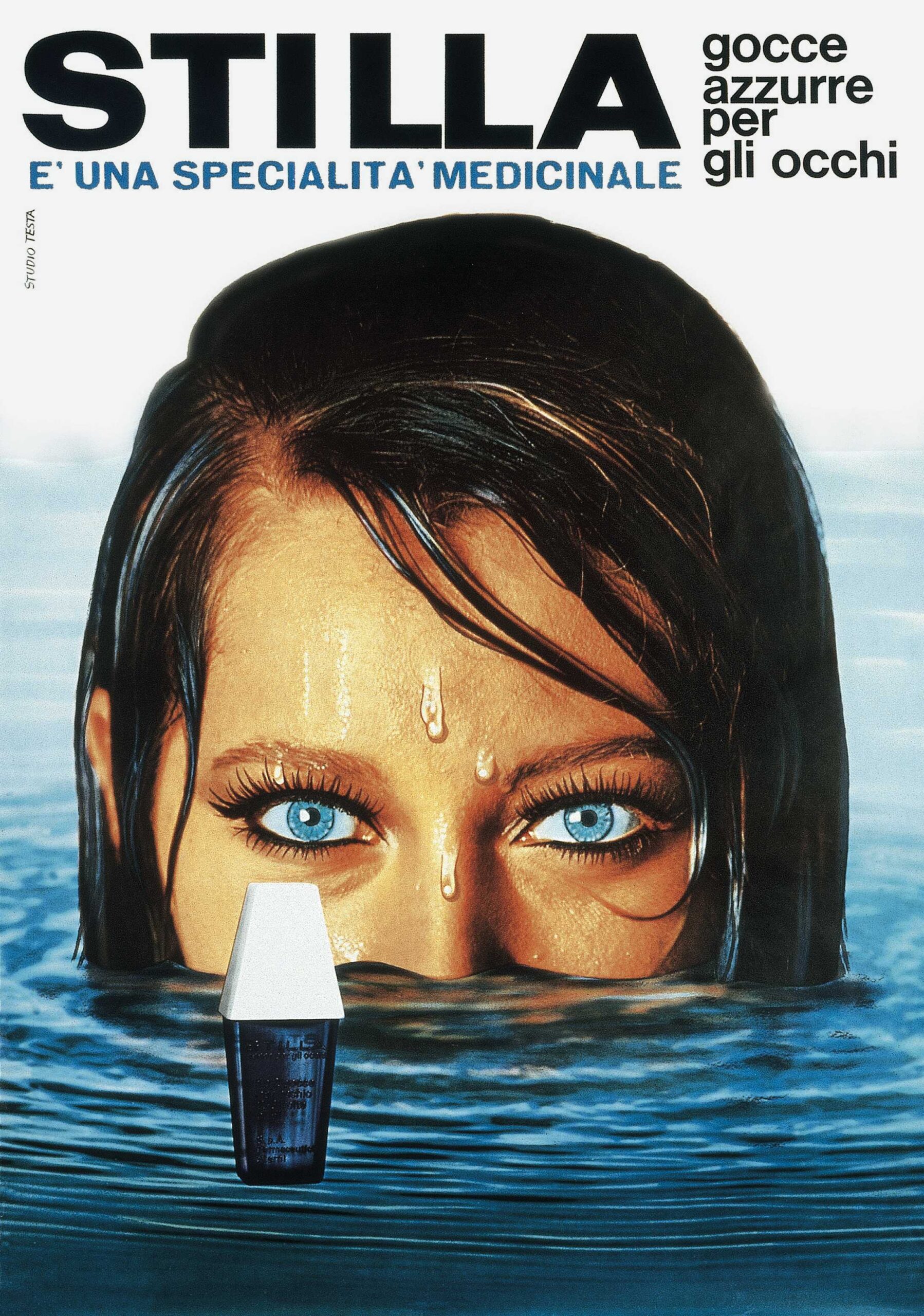
“Testa’s work creates a kind of “spontaneous” exchange between advertising and the consumer, as it succeeds in making an “inhuman” reality accessible to a mass audience. He does not use the image for its detached, contemplative quality, but as energy and vital flow, which — by asserting itself as “phenomenon” — breaks through the surface of poster and screen.”
From “Armando’s Sirens” – Germano Celant
Curators: Germano Celant, Gillo Dorfles
Circulo de Bellas Artes
“The painter and the advertising man. Two very different creative identities which, in my father, coexist simultaneously and within the same person in an unusual yet fascinating way. I never cease to be amazed by his ability to move from one to the other, drawing nourishment from both while keeping them rigorously separate. I believe this is his true strength.”
From “Armando, My Father” – Marco Testa
School of Design Exhibition Center
“We begin to understand something of Testa and why he paints: not simply to be an “artist”, but to express what has never been expressed, perhaps not even to himself. Some people speak, others paint; and for some, painting is also a way of speaking.”
From “Armando Testa” – Arturo Carlo Quintavalle
Parsons School of Design Exhibition Center
“The distinctive quality of his work — encyclopaedic in scope and difficult to sum up in words — lies precisely in its ability to exist outside every established framework: beyond the exhausted rigour of Swiss graphic design, beyond the sublime composure of Anglo-Saxon lettering, beyond the consumerist crudity of much Italian advertising, yet capable of making each of these different categories its own whenever the work requires it.”
From “Armando Testa: Global Visualizer” – Gillo Dorfles
Galleria Niccoli
“Testa offers us a series of painterly interpretations of the finger which, in their breadth, variety and rigour, provide yet another rare demonstration that authentic and inexhaustible “high creative tension” can draw new inventions — or at least new images and signs — from virtually any pretext. For professional painters, this challenge from an advertising man and painter is almost an affront: a slap in the face, indeed “a finger in the eye”, announcing a duel.”
From “A Finger in the Eye” – Umberto Allemandi
Mole Antonelliana
“From his earliest campaigns, Testa applied “sprezzatura”, isolating a single element of cultural sophistication and placing it within an immediately accessible communicative context. Testa always called this ability “synthesis”: the capacity of his campaigns to evoke an idea, a concept, a philosophy instantly and with striking economy.”
From “Armando Testa and Italian Advertising” – Omar Calabrese
Pac – Padiglione d’Arte Contemporanea
“His is a painting in which the mark itself clearly reveals the primary structure of Neo-Cubism, an Expressionist graphic gesture and, at the same time, a reference to American Abstract Expressionism. This wholly unusual and, above all, profoundly new combination makes Testa’s painting a “hapax legomenon” — something expressed for the first time in our culture.”
From “The ‘Other Side’ of Armando Testa” – Arturo Carlo Quintavalle
Muzeum Plakatu w Wilanowie
The Poster Museum at Wilanów is the world’s longest-standing museum devoted to posters. Opened in 1968, just four years later it dedicated a solo exhibition to Armando Testa.
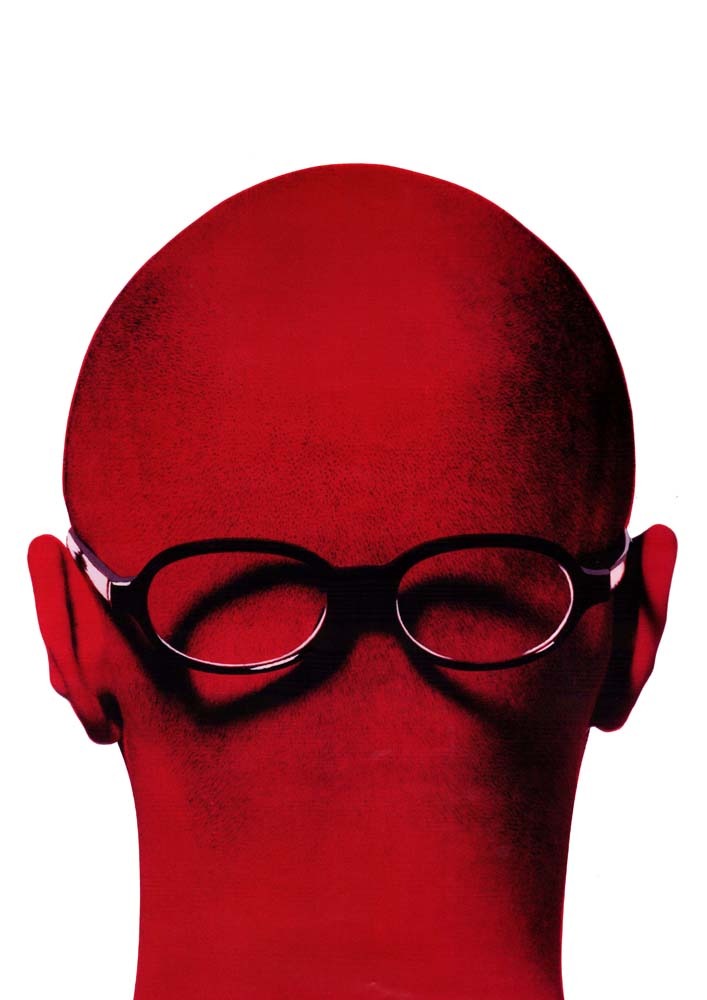




Armando Testa was the artist among advertisers, and the most unconventional among artists
Gemma De Angelis Testa is one of Italy’s foremost collectors. The wife of Armando Testa, she is the custodian of his work and artistic legacy. She is the founder and president of the Acacia Association.
More recently, she donated 105 works from her contemporary art collection to the Civic Museums of Venice, including 17 works by Armando Testa.
GEMMA DE ANGELIS TESTA
Creativity is a wonderful thing.